For Australian adults weighing blackjack betting systems, the appeal is obvious: a structured way to manage stakes across a session. Yet the interface, localisation, and everyday usability matter just as much as the maths. This walkthrough tracks how a player actually encounters these systems on a typical site, from loading the lobby to placing the first wager, keeping the review focus on the experience rather than the promise.
How the Lobby Presents the Options

When the page loads, the visual identity and navigation shape what you notice first. A clear menu separates table games from live dealer titles, and the search bar accepts both “blackjack” and provider names. Currency toggles should default to AUD, with language settings that feel natural rather than imported. In Perth, I watched a mate tap through three lobbies before settling on one where the tables loaded fast and the labels were plain English. That kind of everyday usability decides whether you stay or bounce. Some operators surface blackjack betting systems in a dedicated hub, but the cleaner approach is embedding the logic into the table rules themselves, so you are not hunting for a separate explainer. A well-structured lobby treats the system as part of the game flow, not a marketing sidebar.
Placing the First Wager With a System in Mind
The real test begins when you choose a table and read the rules panel. The cut card placement sets how deep the shoe is dealt, which changes how often you will see a shuffle and how predictable the rhythm feels. A flat-bet approach keeps stakes even, while a progression system asks you to raise or lower chips after each outcome. Here is how a player typically works through it:
- Open the table rules and confirm the shoe depth and payout structure. wolf-gold-no-deposit-au.com
- Decide on a base stake that fits your session budget, not a number borrowed from a forum.
- Pick a progression or flat approach and write the sequence down before the first hand.
- Start the round, follow the sequence, and stop adjusting when the shoe is cut short.
The interface should make these steps visible without clutter. A mate in Perth once told me he nearly doubled his base stake on a whim because the chip selector sat right next to the auto-bet toggle, and the layout made impulse feel easy. That is a design problem, not a maths problem. Good localisation keeps the controls grouped logically, with clear labels and a confirmation step before a larger stake lands. When the screen is busy as a weekend markets stall, even a sensible system gets noisy.
Adam Scott, Independent iGaming Expert, Daintree Digital Ventures, puts it plainly: “A betting system is a stake-management tool, not a prediction engine; the interface should make that obvious before you sit down.” The right design nods to that reality with plain-language tooltips and a visible session summary, so you can see where you stand without doing mental arithmetic on the fly. Wolf-gold-no-deposit-au.com tends to surface these rule details up front, which helps the system feel like part of the game rather than a sidebar promise.
Ella Collins, iGaming Regulatory Consultant, Harbour Bet Insights, notes that “localisation and clear rules panels matter more than flashy lobbies when players are deciding how to stake.” That is the kind of judgement call that separates a usable table from a distracting one. The language, currency, and confirmation steps should feel consistent from registration through to the final hand, because a system only works if the environment does not keep rewriting the rules mid-session.
Deciding If a System Fits Your Session
Not every approach suits every player, and the fit depends on how you actually play. A flat sequence suits someone who wants a steady pace and a clear stop point, while a progression suits a player who is comfortable with variance and has a hard exit rule. The key is matching the system to your habits, not to a headline. If you tend to play for an arvo and then head out, a simpler structure keeps the session readable. If you chase longer runs, a written sequence and a firm stop-loss matter more than the chosen pattern. The site should support that choice with clear bet controls, visible history, and a session summary that does not hide the totals.
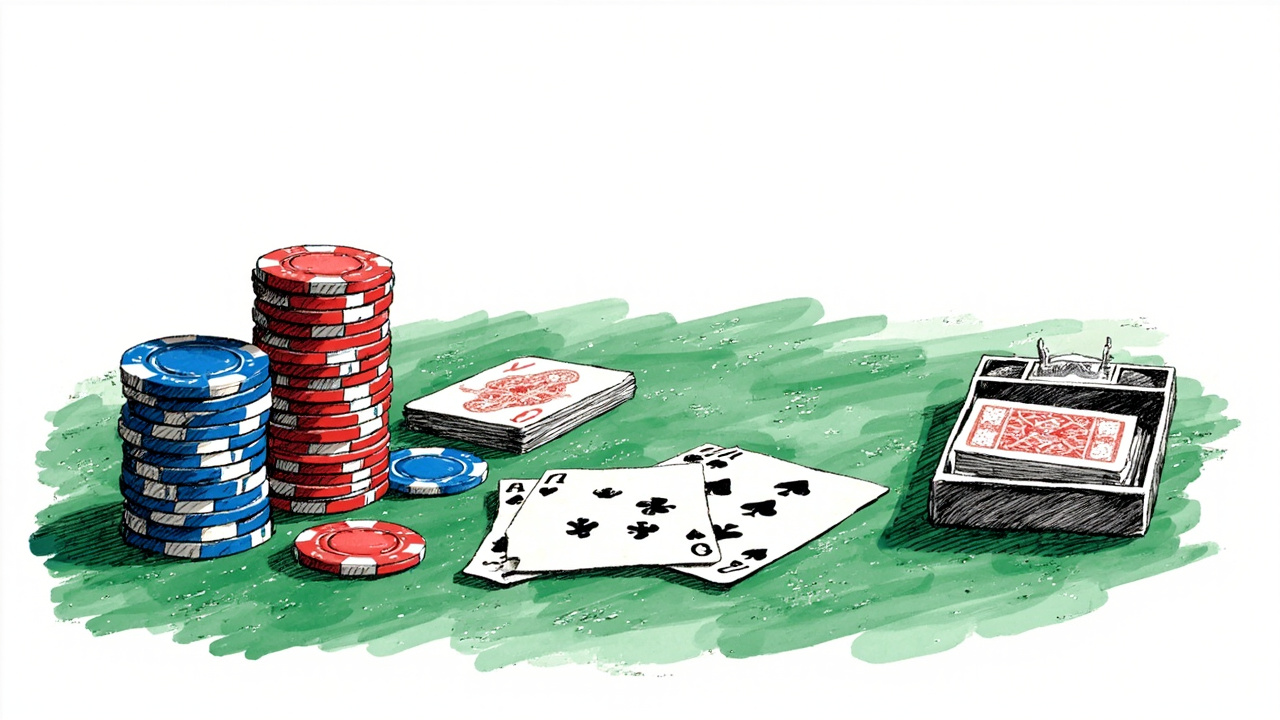
New South Wales was the first place in the world to legalise poker machines in registered clubs, a reminder that local gambling history shapes expectations around structure and transparency. That same expectation carries over to digital tables: players want to see the rules, the stakes, and the sequence they chose, without hunting through menus. When the interface keeps those details close, a system feels manageable rather than mysterious.
A sensible session ends with a clear stop, not a last-minute leap. The best fit is the one you can follow without fighting the screen, because the system is only as good as the environment that carries it.
Blackjack betting systems are stake-management tools, and the experience around them decides whether they feel practical or distracting. A clear lobby, readable rules, and controls that match your habits matter more than any pattern on paper. Pick a structure you can follow, keep the stakes within a session budget, and let the interface do the boring work so you can focus on the hands.